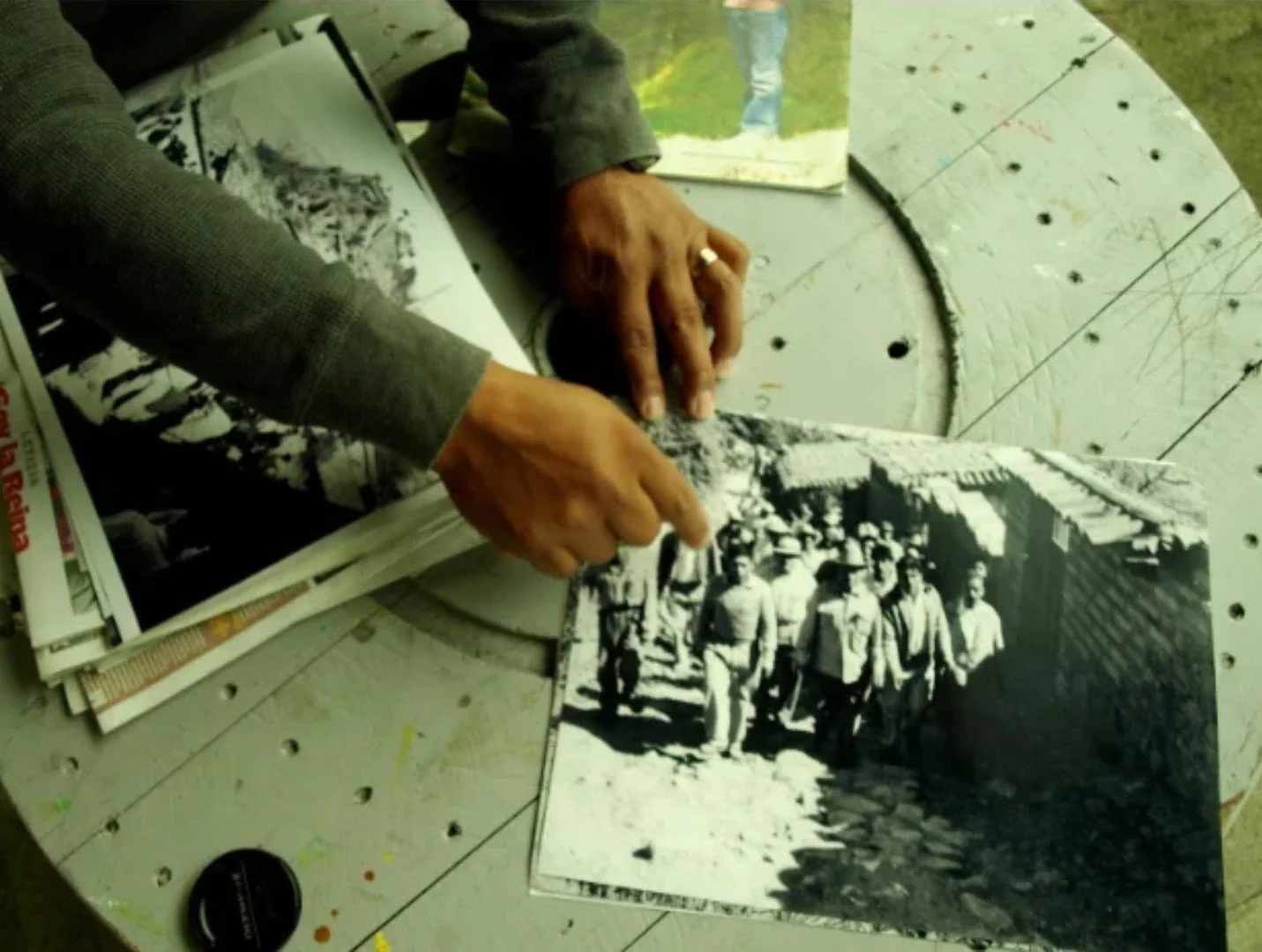
There is no space for you: Essays on memory, archive, and territory
The essays of this book are fueled by a shared intention: articulating personal stories from the margins. Grounded in embodied experience, these texts emerge from the language the body produces as it moves through territory. Yet it is shaped by negations, and in the face of this, the possibility of smaller, more intimate spaces of enunciation begins to open, spaces often rendered invisible by dominant narratives. In other words, these texts are dynamic and creative attempts to carve out narrative spaces, however small, within the margins shaped by multiple forms of oppression and violence.
The project brings together research, orality, and creative writing, and is grounded in prior and ongoing fieldwork experiences. Its outcomes have been presented at international gatherings such the Canadian Association for Latin American and Caribbean Studies (CALACS) in the category of artistic work. The project has received support from the Sistema de Apoyos a la Creación y Proyectos Culturales (SACPC) and has included an artistic residency developed in collaboration with the Conseil des arts et des lettres du Québec (CALQ).
Selected outcomes:
Artistic work presented at CALACS.
SACPC-supported creative project.
CALQ-SACPC artistic residency, Montréal.
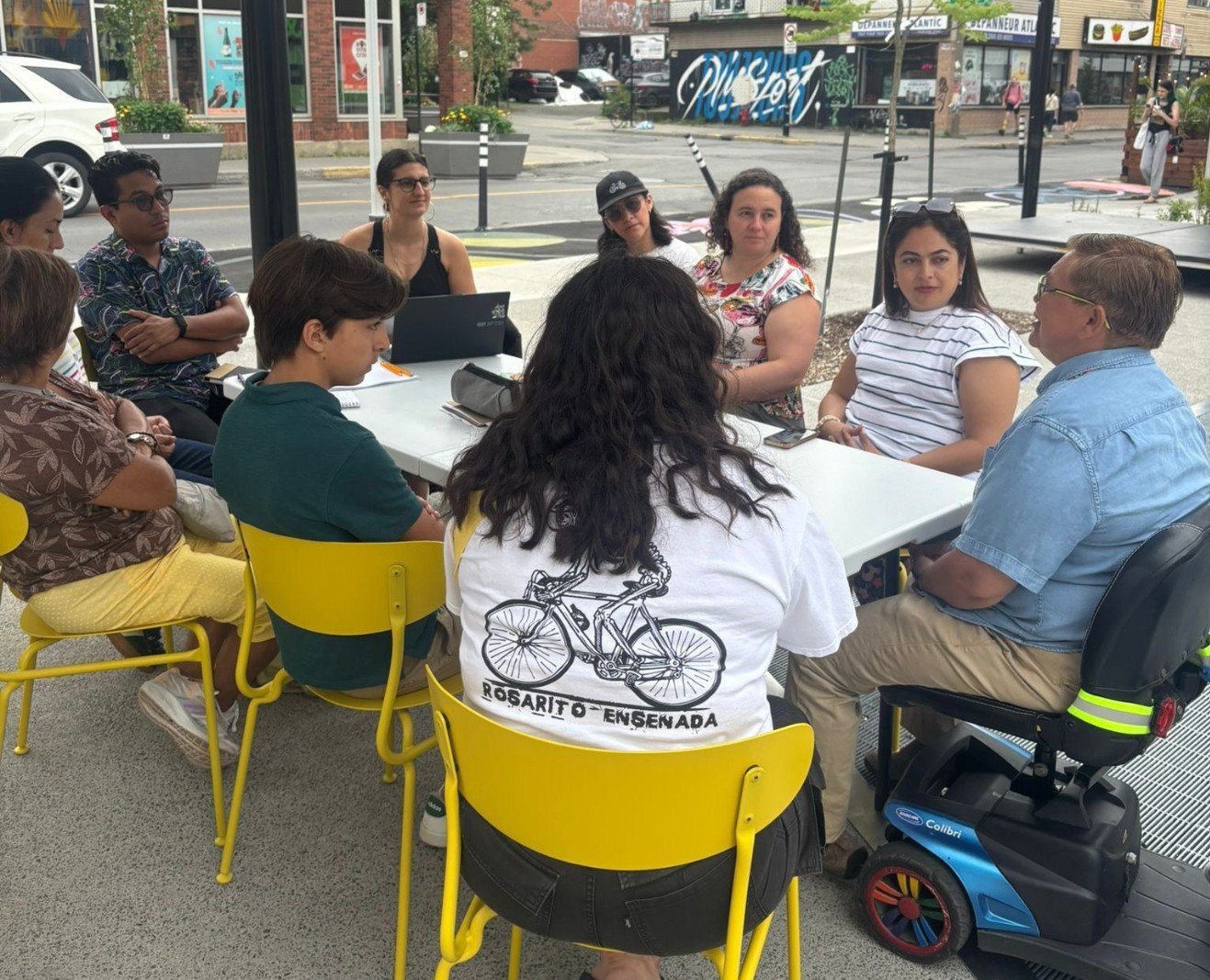
Writing the city from the bicycle: A situated writing device
Writing the City is a writing workshop that invites participants to narrate cities from the experience of the moving body, particularly through the bicycle, walking or alternative forms of mobility. It is conceived as an open and participatory space, and approaches writing as a collective practice of dialogue and memory. Through dynamic and collaborative exercises, participants reflect on their experiences, and produce hybrid texts that draw on essay, chronicle, and testimonial forms.
Developed through six editions in Mexico and Canada, the methodology has been implemented in collaboration with universities, cultural centers, and grassroots collectives, as well as through self-organized formats. Up do this date, more than forty participants have transformed everyday urban experiences into written narratives. The workshop has also proposed collective readings, and a working notebook designed to support future writing and reflection processes.
Selected outcomes:
SACPC-supported creative project.
Workshops delivered online and in Montréal during CALQ-SACPC artistic residency .
Documented and sistematized methodology.
Fanzine with writing prompts.
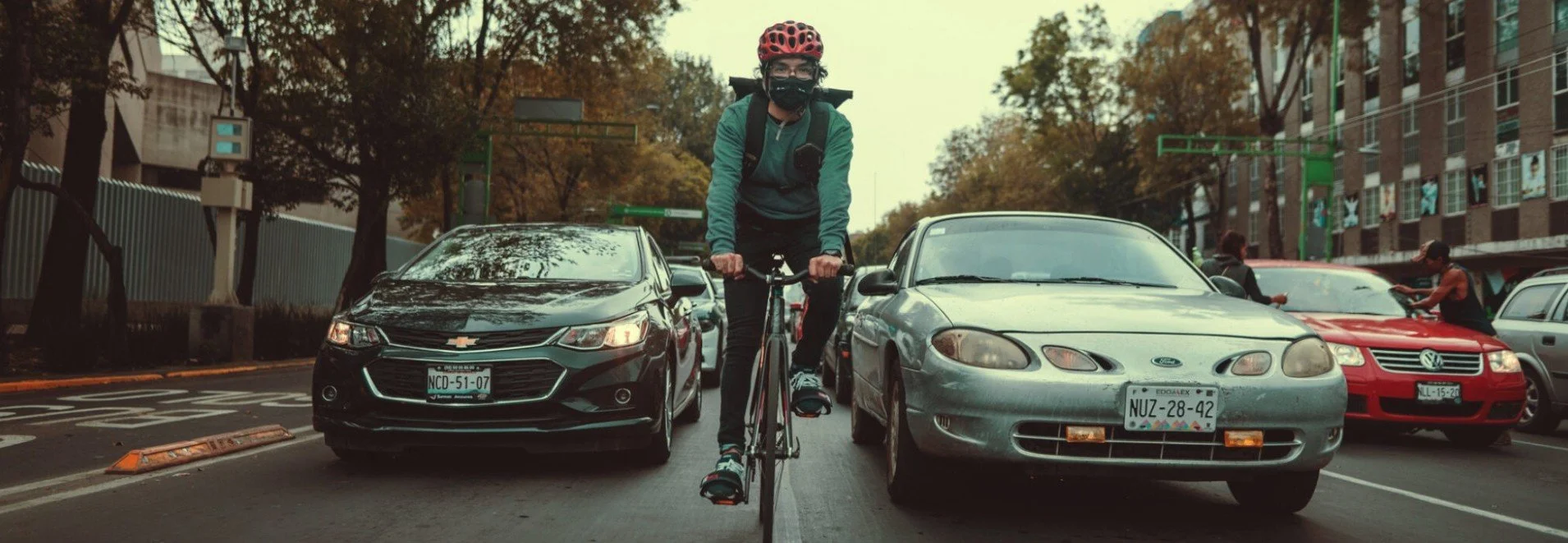
Urban cycling narratives: A collaborative archive
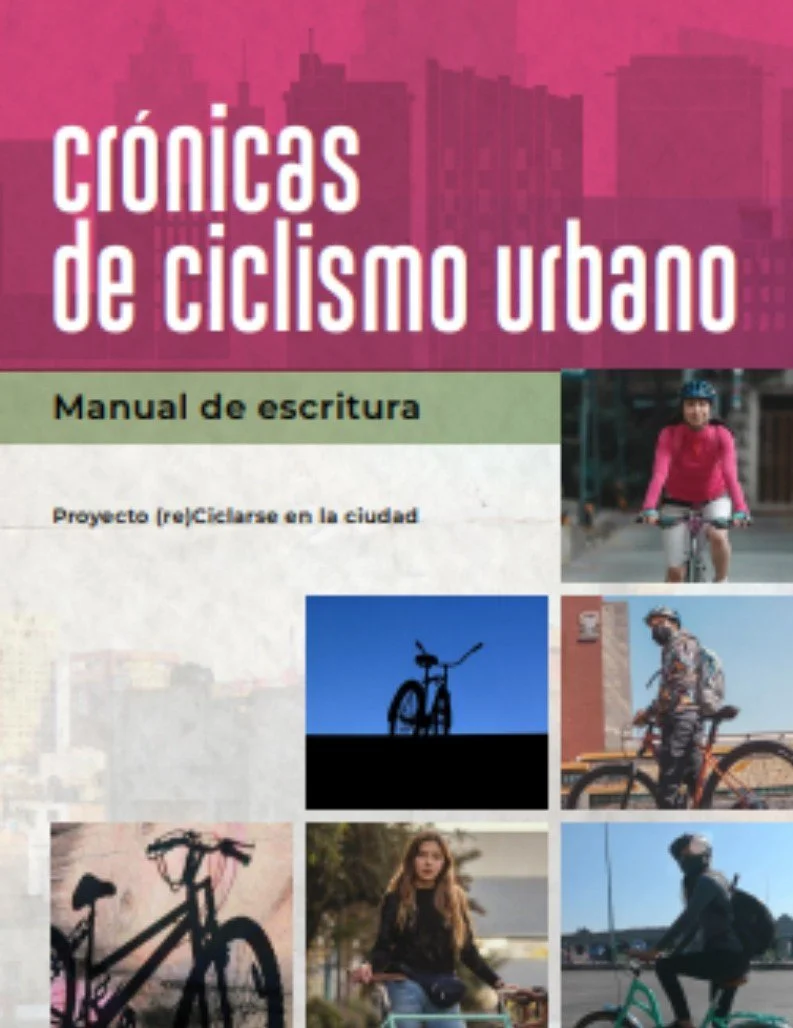
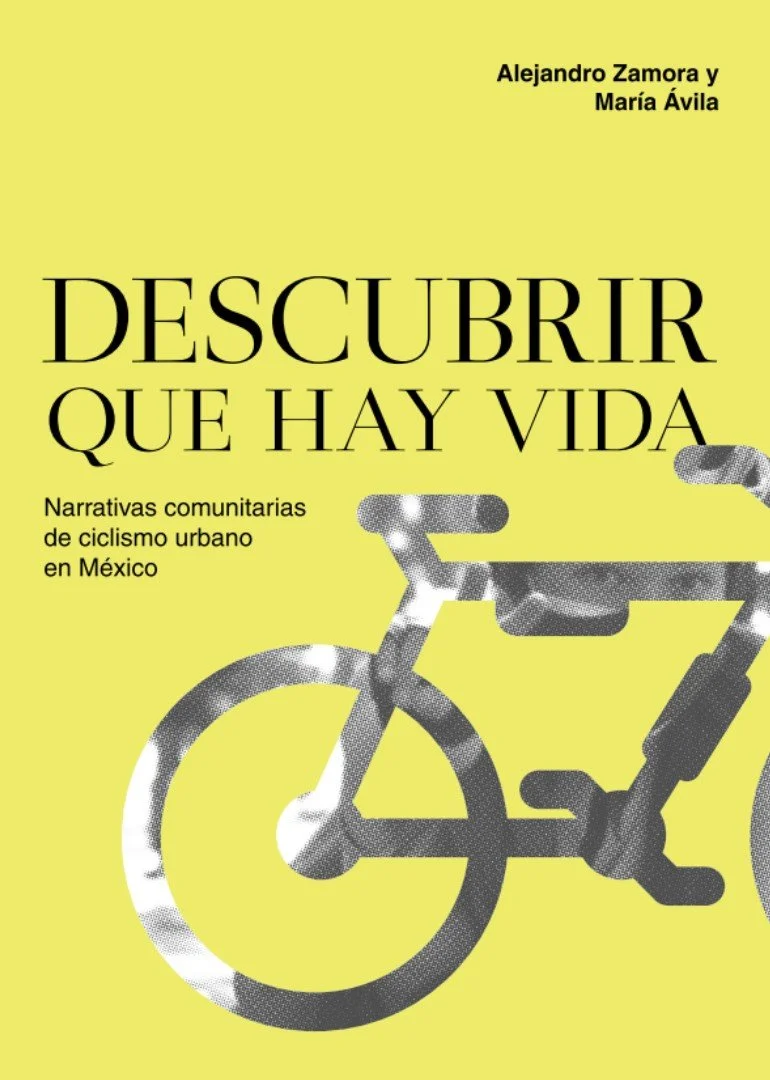
Since 2020, I have been a co-researcher, writer, and content creator for (re)Ciclarse en la ciudad, a digital archive of collaborative narratives developed with cyclists and urban mobility activists. I contributed to the project’s research-creation methodology through ethnographic and literary practices, as to the cocreation of short stories, essays, a writing manual, and academic articles. The book "Descubrir que hay vida" is one of the project’s main outcomes.
The project began as a narrative, literary, and ethnographic exploration of how cyclists experience the city, the languages through which these experiences are articulated, and the urban peda(l)gogies that emerge from cycling as a situated practice. The participatory dimension of the project soon called for a space for sharing, alongside more traditional forms of academic dissemination, and led to the creation of a digital archive.
Selected outcomes:
The archive distinguishes itself from similar initiatives by experimenting with what Cristina Rivera Garza has described as disappropriative writing: an explicitly collaborative form of writing in which process becomes part of the work itself. This approach has also shaped the public circulation of the project, particularly through the launch of the book, during which I organized collective bike rides and writing workshops titled Ciclografías colectivas: creative writing from the bicycle.
Today, the archive brings together more than thirty stories, chronicles, visual narratives, and photographic galleries. It is a living project that continues to grow with ongoing collaborations. The archive has established partnerships with UNAM, LANMO, and cycling collectives such as Bicitekas and Bicivilízate.
Editorial project
Published by the Laboratorio Nacional de Materiales Orales (LAMNO/UNAM) in 2025, the book approaches urban cycling as a practice of territorial reappropriation. The text presents experiences and situated knowledges that remain invisible from the logic of private automobile use, but open up from the pedal. It starts with a theoretical introduction, then follows twelve first-person chronicles that narrate the city as lived from the bicycle, and ends with a photographic dossier.
I am a co-author of the book: I authored three of the stories, and took part in the selection of the collective photographic dossier. The book can be found online.
We presented the book at the UNAM Centro Cultural Morelia, in an event that concluded with a collective bicycle ride through the city center. This action sought to project writing into public space, grounding it in the shared, embodied experience of cycling together through the streets of Morelia.
Media coverage included an interview on SMRT Noticias Radio and a press feature in El sol de Morelia.
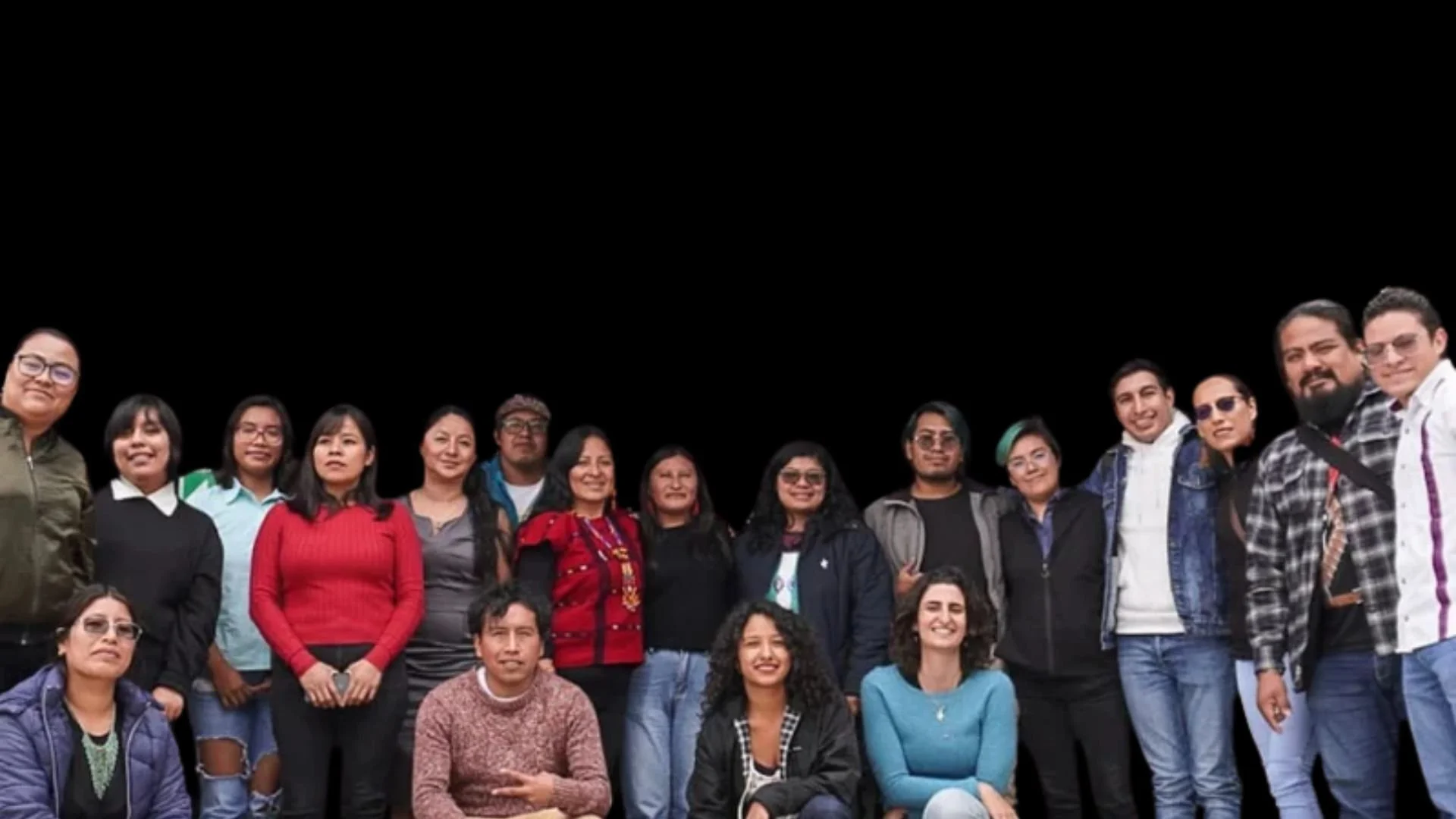
Artistic practice grounded in collective creation, where writing and artistic processes operate as devices for archiving experience, memory, and for sustaining social transformation.
Art, pedagogical practices, and collective processes
As part of this line of work, in November 2021, in collaboration with the visual arts collective Pelota Mixteca, I coordinated the event Murales + Colectividad in Tlaxiaco, Oaxaca, as part of Compás Joven, an initiative led by SiKanda A.C. The festival focused on the socio-labor inclusion of young people, and brought together more than twenty young artists who occupied public space to advocate for dignified labor in the arts. The program included printmaking workshops, an urban gathering, and an open-air concert.
Beyond this event, my work within civil society contexts has allowed me to codesign, coproduce, and/or coordinate collective creation processes. These have included workshops, two forums, a theatre production, and the development of graphic and narrative materials, as well as diagnostics, infographics, posters, podcasts, and digital content. This experience has been central to shaping my current approach: it allowed me to implement writing and artistic methodologies for memory, participation and knowledge production, while understanding artistic creation and social action as intertwined and sustained processes.