Artistic practice and methodological framework
My work is grounded in an exploration of how writing can function both as a relational practice and as a mode of knowledge production. Situated and dialogical, this practice activates memory and opens up possibilities for reimagining other ways of inhabiting the world. I was trained across artistic and academic contexts in Morelia, Oaxaca, Brussels and Mexico City, and I hold a Master’s degree in Anthropology (ULB). In 2025, I was the recipient of the CALQ–SACPC Artistic Residency Grant (Montreal).
My artistic practice is situated at the intersection of non-fiction writing, collaborative writing, and ethnography. My practice includes the development of digital archives, editorial projects, and processes of social engagement grounded in the articulation of diverse forms of knowledge. It is in conversation with the work of Cristina Rivera Garza, particularly how her conversational modes of writing open up ethical and aesthetic inquiries. My work is also informed by Mexican artists who have explored collective and experimental forms of writing (Vivian Abenshushan), as well as methodologies, such as testimonial writing and choral performance (Lorena Wolffer).
In recent years, my work has developed across three interconnected lines of inquiry: collaborative writing practices, languages of urban reappropriation, and the re-signification of the living archive.
For a full CV, feel free to get in touch at mariaavila.buzon@gmail.com
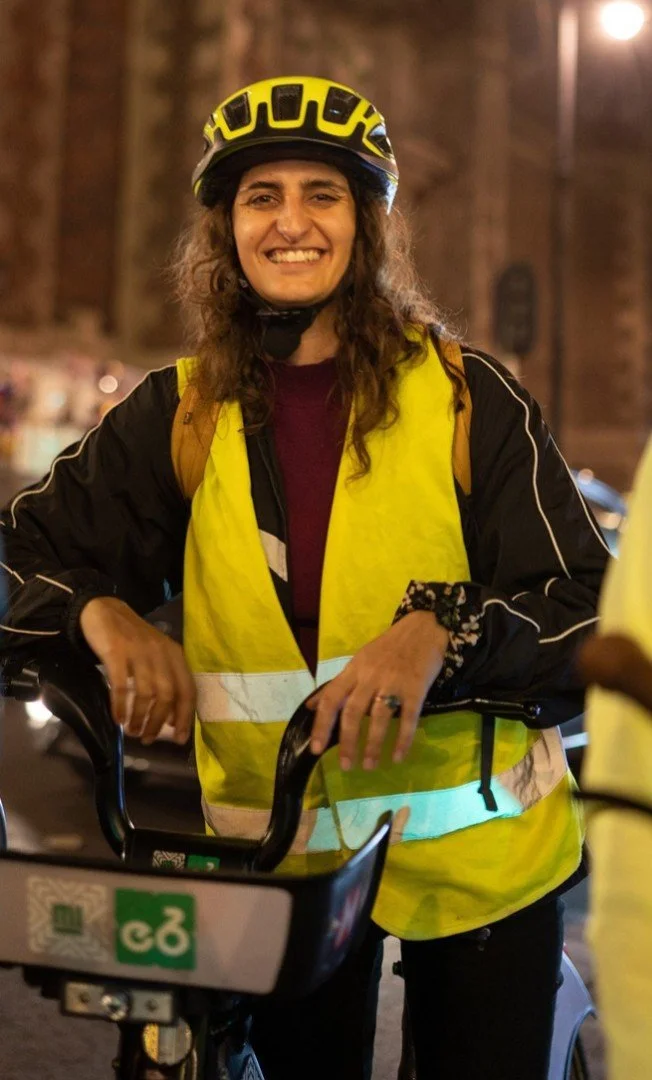
Research-creation map: Writing, archives, and urban cycling.
These lines of inquiry are articulated through four bodies of work:
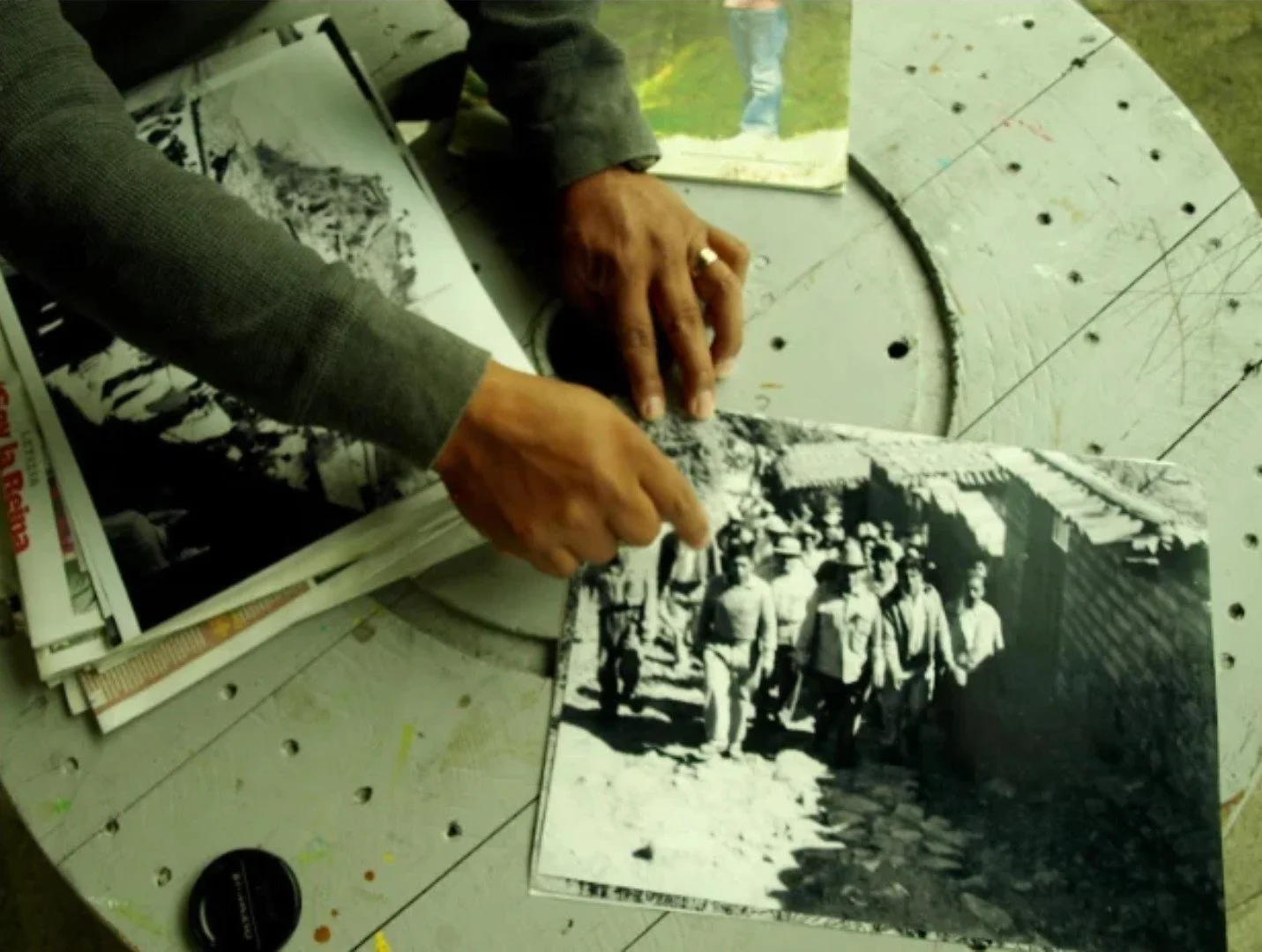
There is no space for you: Essays on memory, archive, and territory
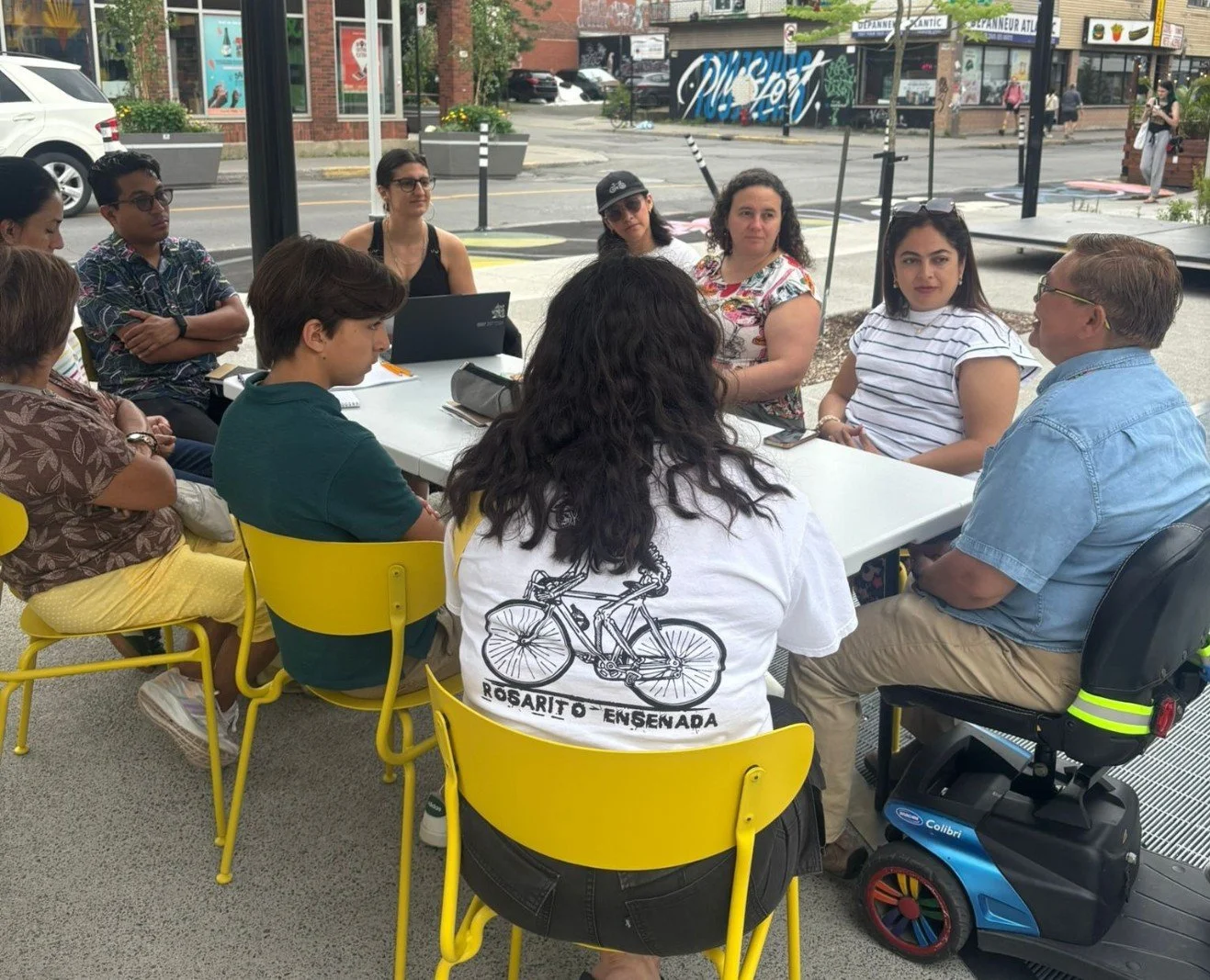
Writing the city from the bicycle: A situated writing device
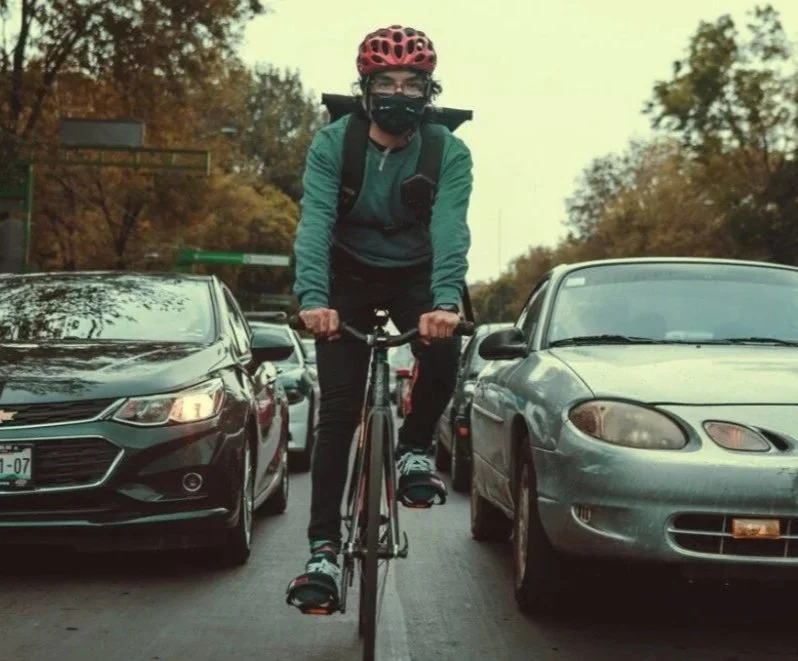
Urban cycling narratives: A collaborative archive
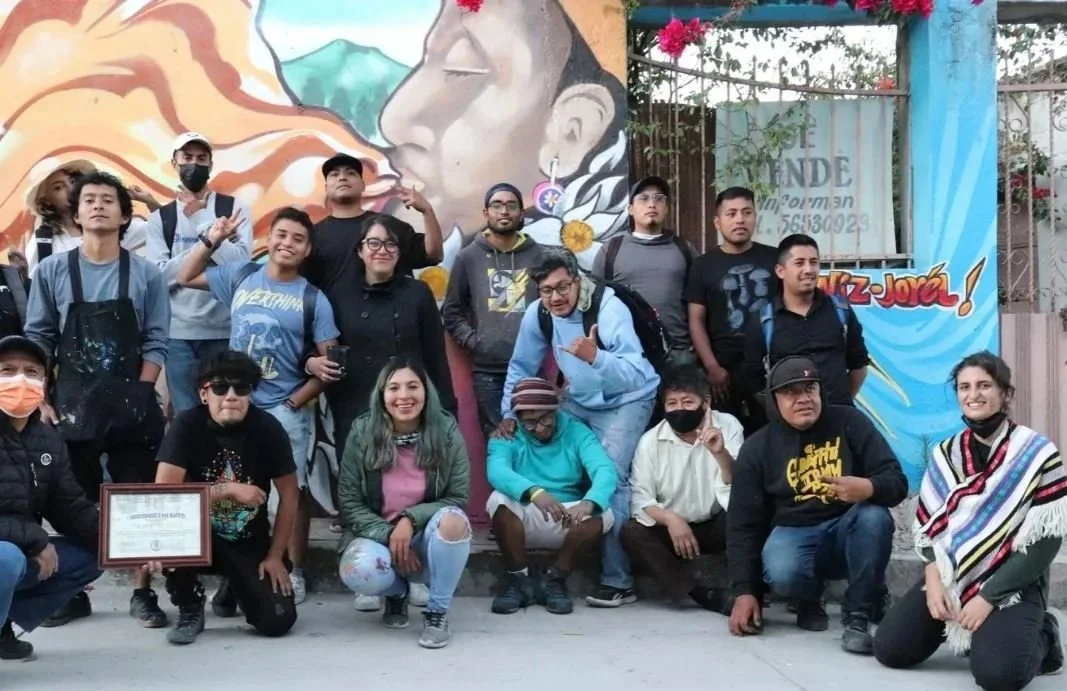
Art, pedagogical practices, and collective processes
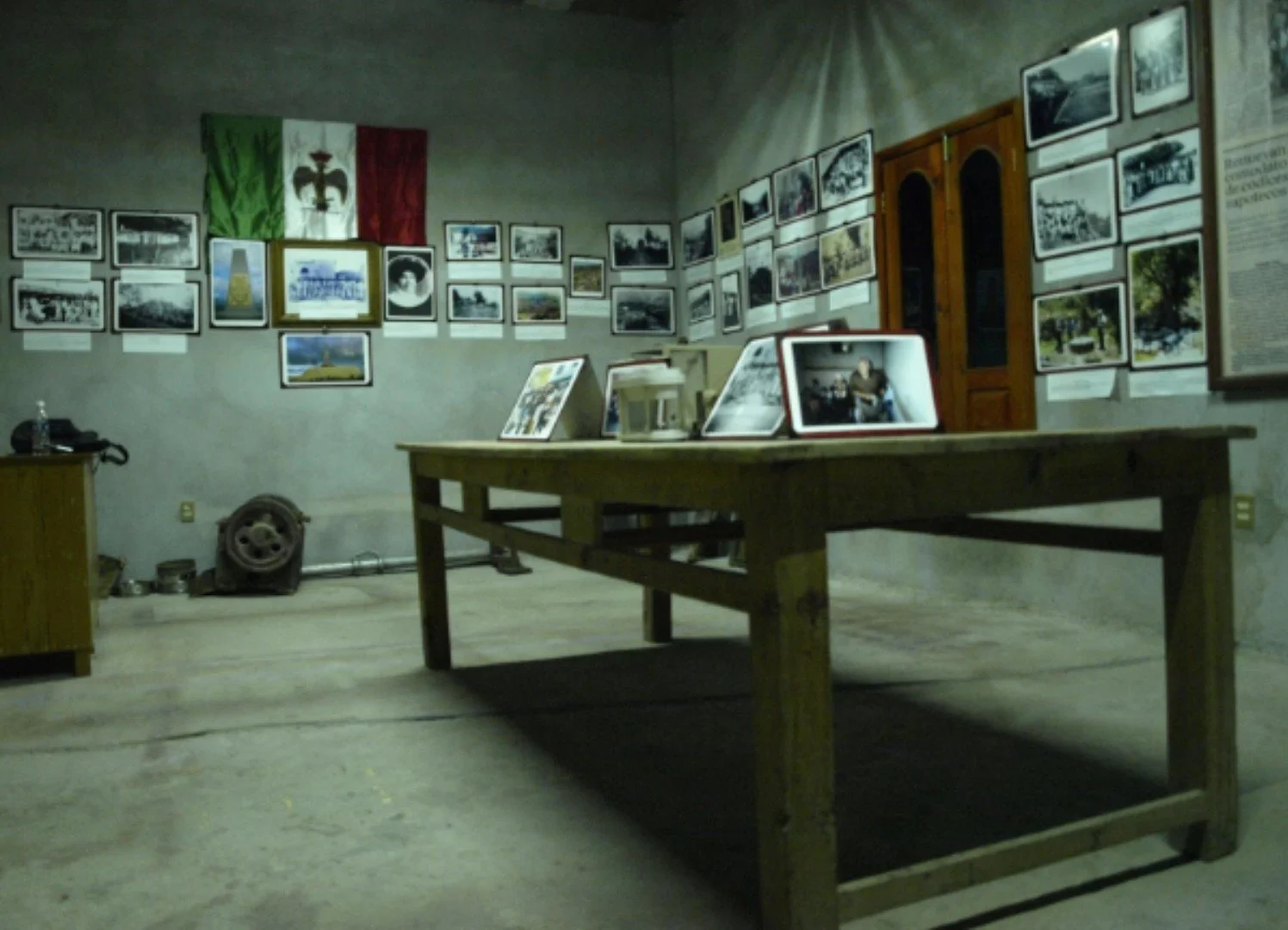
Archives for the future
From a situated, relational, and territorial practice, I am drawn to forms of writing that open space for what has yet to emerge. I approach art as both a right and a language of transformation. My work moves across languages and formats that weave together family memory, orality, the body, and territory.
Across these projects, the digital archive becomes a site of collective knowledge production rather than a static repository. The archive takes shape as a relational practice, built from the body and attentive to the multiple languages through which cities are inhabited: through the bicycle and through community and family memory. Taken together, these projects articulate a research-creation practice in which writing and archiving operate as relational methods for engaging memory, territory, and urban life.